
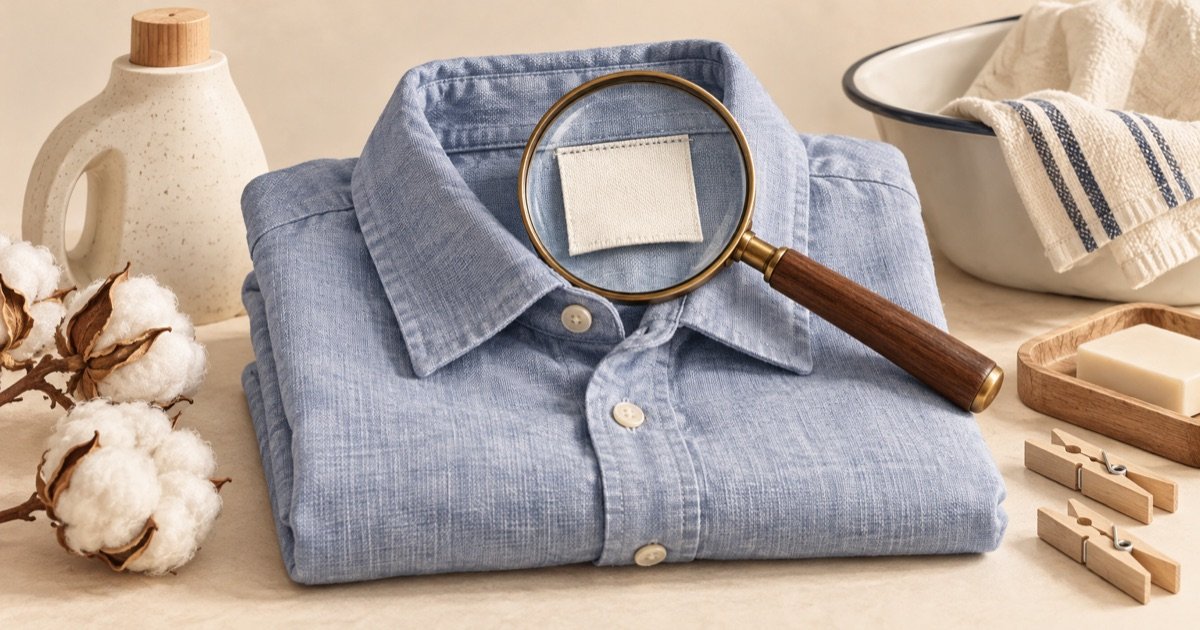
An online clothing return checklist helps you compare what arrived with what you ordered, preserve useful records and follow the seller’s current process without losing track of the request. The work begins at delivery, before tags, packaging and order details become separated. A clear record does not guarantee a particular outcome, but it makes the issue easier to explain and reduces avoidable confusion about the item, reason and next step.
This is an original practical workflow in the fashion reading path of the Tech Lein India guide hub. It is not a statement that every item can be returned or that every seller must offer the same process. Policies and applicable rights depend on the circumstances and may change. Check the current order-specific information and use appropriate official assistance when a dispute requires more than routine customer support.
Read the order-specific conditions early
Before buying, locate the current return, exchange and refund information for the exact item and seller. Do not assume that a platform-wide banner applies to every product variant or promotional sale. Record any relevant conditions you rely on, including the stated process and time information. Keep a private copy of the order confirmation so you can refer to the information associated with the actual purchase.
Distinguish return, exchange and refund. The terms may describe different routes, and an exchange request does not automatically mean the original payment will be returned. Read the provider’s explanation rather than inferring the outcome from a button label. If the information is unclear, ask a specific question before purchasing when possible. A vague promise that returns are easy is not a complete account of the process.
Our online fashion shopping guide discusses selection and seller checks. This checklist focuses on what happens after an item arrives. The two stages connect: a clear product description and current policy make the delivery review more straightforward, while an ambiguous purchase often creates uncertainty that no amount of careful packaging can fully resolve later.
Inspect the delivery without altering the item unnecessarily
Check that the parcel belongs to your order and note visible packaging issues. Open it carefully according to the seller’s instructions where provided. Keep the packaging and included documents together while you inspect the item. Avoid cutting through areas that may damage the garment or removing labels before you have read the conditions relevant to a return or exchange.
Compare the delivered item with the order details: product, size, colour and quantity. Check the label and the actual garment rather than relying only on the outer package. If something differs, record the observation neutrally. Ordered medium, received label marked large is clearer than seller sent rubbish. A factual description helps support staff identify the issue and the appropriate process.
Do not wash, alter or use the garment beyond what is permitted for inspection if you may need to return it. Follow the stated handling conditions and ask the seller when uncertain. This guide cannot determine how a particular action affects a specific claim. The practical aim is to avoid introducing a new issue while you are still establishing whether the delivered item matches the order.
Check fit against the intended use
If the policy permits an ordinary fit check, use a clean, appropriate setting and preserve required labels. Assess the garment for the activity you bought it for, not only a quick appearance check. Comfortable standing posture may not reveal restriction when sitting or moving. Keep observations specific and avoid treating a labelled size as proof that the item should fit every person the same way.
Compare relevant measurements with the product information where useful, using a consistent method. Do not stretch or modify the garment to make the numbers match. Our online fit checklist explains why measurements and intended use matter before ordering. The delivery review provides feedback for future decisions, but it should not rewrite the seller’s actual size information after the fact.
Separate fit preference from a product mismatch. Both may be relevant to the seller’s process, but they are different descriptions. Sleeves feel restrictive is not the same as the delivered size differs from the order. Accurate wording matters because support staff may ask different questions for each situation. Do not choose an inaccurate reason simply because it appears more likely to produce the outcome you want.
Record the issue with appropriate evidence
Keep the order reference, delivery date, item identifier and a concise issue note. If photographs are useful or requested, show the relevant detail clearly without including unrelated personal information. A label or seam image may be enough. A full view of your room, identity document or another person’s face is usually unnecessary for explaining a garment issue.
Preserve the original photographs and messages privately where they may be needed. Do not edit an image in a way that misrepresents the condition. If you add an annotation for clarity, keep the original and make the annotation obvious. The evidence should help explain what you observed, not create a more dramatic account. Avoid public accusations while the factual position is still being established.
Write a short chronology. Order placed, item delivered, issue noticed and request submitted are useful events. Record the actual dates rather than estimating later from memory. If a deadline or window is stated in the order-specific process, follow it and keep the relevant confirmation. This article deliberately does not provide one universal number of days because that would be misleading across different items and circumstances.
Start the request through the official route
Open the seller or platform through its known application or address. Use the order page or official support route rather than a link sent by an unfamiliar account. A message that knows your order number is not automatically trustworthy. If asked for new payment details, an access code or a remote-control application, stop and verify the request through the established provider channel.
Select the accurate reason and include the information needed to identify the item. Keep the explanation concise enough to read, with the relevant observation and desired next step. Avoid sending the same sensitive material to several unrelated contacts in the hope that one will respond faster. Use the official case or request reference to keep the conversation connected.
Save the submission confirmation and any stated next action. A screenshot of a form before submission is not proof that the request was received. Check the actual status in the official account or confirmation message. If the interface fails, record what happened and contact support through the documented route rather than repeatedly submitting conflicting requests without knowing which one is active.
Prepare the parcel according to the instructions
Read the return or collection instructions for the specific request. Check which tags, accessories, documents and packaging are required. Do not assume that another seller’s procedure applies. If a label or pickup arrangement is provided, confirm that it matches the current request and the correct item. Keep multiple returns separate so garments and references are not mixed.
Before sealing the parcel, compare its contents with the request. Record what you are handing over and keep any appropriate acknowledgement. Do not include unrelated personal documents or extra items that support did not request. A neat parcel is helpful, but the important point is that the contents and reference can be identified correctly by the receiving process.
If collection is delayed or the instructions conflict, seek clarification through the official route. Do not hand the item to an unverified person merely because they claim to be collecting returns. Check the provider’s stated verification method. The checklist should make handover deliberate and traceable without requiring you to disclose account credentials or other unnecessary sensitive information.
A worked example: the correct size label but an unsuitable fit
Imagine a fictional shopper, Aditi, who receives a shirt in the size she ordered. The label matches, but the sleeves restrict the movement she needs for work. She checks the current order-specific policy and the permitted inspection conditions before taking further action. Her issue note says the delivered size matches the order but the fit is unsuitable for the intended use. She does not claim that the seller sent the wrong item.
Aditi starts the request through the official order page and saves the confirmation. The instructions specify what must remain with the garment and how collection will be arranged. She keeps the item, labels and documents together. When the collection occurs, she preserves the acknowledgement and updates her private record from request submitted to handed over. She does not assume that this status alone establishes the final refund outcome.
After the process closes, she records the actual result and one shopping lesson: check sleeve measurements and movement requirements more carefully for this type of garment. Her wardrobe inventory now includes a clearer description of the gap she wants to fill. The example shows accurate record keeping and a better future buying brief, not a guaranteed policy result.
Track the request to its actual conclusion
Keep the request reference and the provider’s stated review or processing information accessible. Check the official status rather than relying solely on a courier message or a casual chat response. Different stages can mean different things: collected, received, inspected and resolved may not be interchangeable. Record the actual wording when it matters and ask support to clarify uncertainty.
If the promised next step does not occur, contact the provider with the chronology and the specific unresolved question. A concise message identifying the reference, previous response and missing action is easier to handle than a long series of disconnected complaints. Keep communication factual and preserve replies. Do not invent a legal entitlement or a processing deadline based on an unrelated seller’s policy.
For unresolved consumer concerns, the National Consumer Helpline is an official Indian resource to consult about available assistance. Check its current process and the information it requests. This article does not determine the merits of an individual dispute or replace legal advice where needed. Use official sources for rights and procedures rather than relying on a social-media claim about universal return rules.
Use the experience to improve future purchases
After resolution, distinguish the product issue from the process issue. A garment might not suit your preferences even when the seller handled the request clearly. Conversely, a suitable product description does not excuse an unclear support process. Record specific observations so your future decisions are based on evidence rather than a single broad label such as good site or bad brand.
Review material, care and fit information before the next order. Our online fabric quality guide explains the limits of judging from photographs, while our care-label guide connects maintenance needs with the buying decision. These checks cannot eliminate every mismatch, but they can make the purchase brief more realistic.
Avoid using repeated returns as a substitute for reading product information or selecting sizes deliberately. Follow the seller’s current terms and handle items appropriately. The purpose of this workflow is to deal accurately with a genuine issue and learn from it, not to obtain temporary use of clothing or manipulate the support process.
A reusable return record
Use headings for Order, Item, Delivery observation, Policy reference, Request, Handover and Outcome. Include only the information needed to follow the case. Keep the record private and remove unnecessary sensitive details from any copy shared for advice. A simple chronology is usually more useful than a folder of unexplained screenshots with no indication of which event each image supports.
Review the record before sending a follow-up. Confirm that the reference belongs to the current item and that your summary matches the original messages. If several orders are being handled at once, use separate records and a small index. This prevents a common coordination error: attaching evidence from one return to another and making an otherwise straightforward issue harder to resolve.
Frequently asked questions
Can every online clothing item be returned?
Do not assume so. Check the current order-specific conditions and seek appropriate official advice about any rights or dispute. Product categories, seller arrangements and circumstances can differ. This guide explains a practical record and communication process; it does not establish a universal return entitlement or replace the information attached to your actual purchase.
Should I remove tags before deciding?
Read the relevant instructions first and preserve required labels while reviewing the item. If you are uncertain about permitted inspection, ask the seller through the official route. Avoid altering the garment while the decision is unresolved. Careful handling helps keep the issue focused on what arrived and why it may not meet the intended need.
What is the most important record to keep?
Keep the order identification, concise issue description, request confirmation and any handover or outcome acknowledgement. Their value is in the connection between them. A photograph without a date or reference may be difficult to interpret later. A clear, factual chronology makes it easier to explain the situation and follow the provider’s process without unnecessary disclosure or repeated guesswork.