
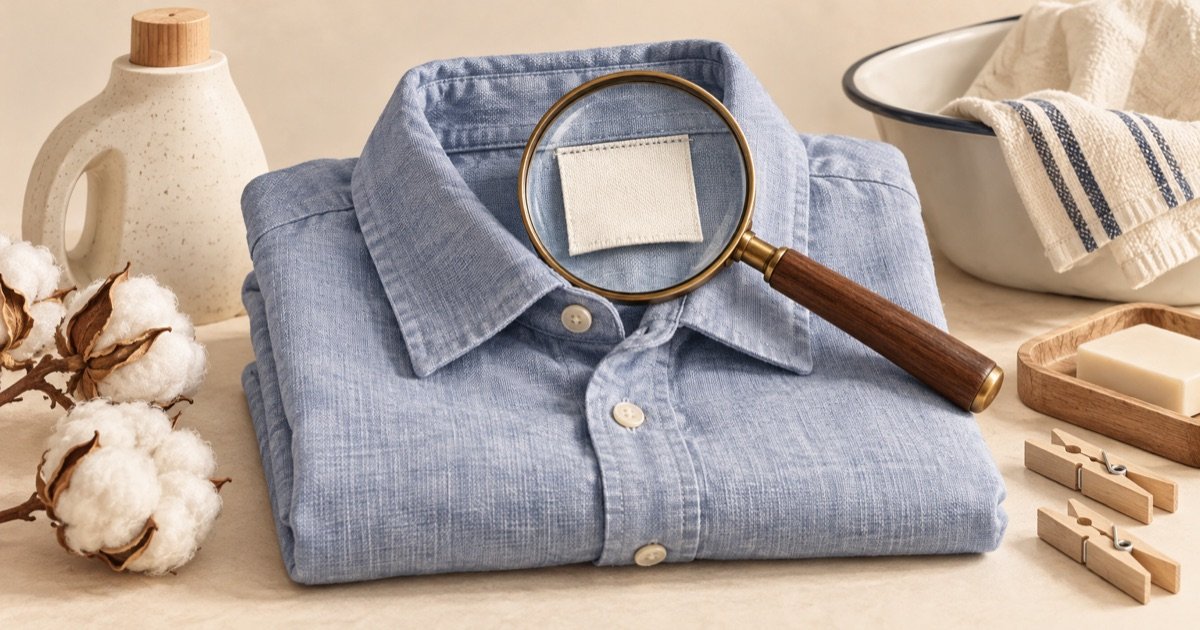
A wardrobe inventory helps you see what you own, what you wear and what prevents useful clothes from becoming useful outfits. It is not a requirement to count every sock or create a perfect minimalist wardrobe. The practical goal is to make better decisions about dressing, repair, storage and shopping. A modest record of frequently used clothing can reveal more than another afternoon spent browsing products that resemble things already hanging at home.
This guide provides an original inventory workflow, fictional examples and a shopping-gap test. It does not prescribe a particular style, body shape or number of garments. Household space, work, cultural preferences, climate and accessibility needs differ. Use the method to support your actual life rather than to imitate a photograph of someone else’s wardrobe. Start with one category if a complete review feels too large.
Choose the question you want the inventory to answer
Different questions require different detail. If you keep buying similar shirts, a category count and a few photographs may be enough. If getting dressed for work is difficult, outfit combinations and fit notes will matter more. If storage is overflowing, location and frequency of use become important. Decide on the main problem before choosing fields, otherwise the inventory can become a detailed catalogue that never informs a decision.
Write the question at the top of the record. For example: can I make five comfortable work outfits with the clothes I already own? That question guides the review toward combinations, condition and care needs. It also provides a stopping point. You do not need to document every ceremonial garment to solve a daily workwear problem unless those garments compete for the same storage or require attention.
Avoid beginning with a shopping list. An inventory is most useful when it tests whether a perceived gap is real. The missing item might already be present but hard to find, waiting for repair or difficult to combine. Record those possibilities before concluding that another purchase is necessary. The process should expand your understanding of the current wardrobe before expanding the wardrobe itself.
Set up manageable categories
Use categories that reflect how you dress: work tops, everyday bottoms, outer layers, occasion wear, footwear or another arrangement that makes sense to you. Separate categories when their use or storage genuinely differs. A single category called clothes is too broad, but dozens of tiny categories can make the review unnecessarily slow. Let the question you chose determine the useful level of detail.
For Indian weather, location and season can matter substantially. A garment suitable for a cool office may serve a different purpose from one worn during humid outdoor travel. Record the conditions in which an item works rather than assigning it a universal seasonal label. Our wardrobe planning guide for Indian weather offers broader context, while this inventory focuses on your specific collection.
Do one category at a time and keep usable clothing accessible. Emptying every cupboard onto the floor can turn a short review into a household disruption. Finish the basic decisions for the selected category before opening another. If time runs out, a completed work-shirt inventory is more useful than a half-sorted room containing every garment you own.
Record only information that changes a decision
A practical entry can include item description, category, size as labelled, personal fit note, condition, care requirement, usual combinations and storage location. A photograph is optional. Use an identifier simple enough to recognise, such as navy cotton shirt, rather than a code that requires another lookup. The record should help you choose or locate the garment without standing in front of the wardrobe.
Keep labelled size separate from fit. Two garments with the same label can fit differently, and your preferences may vary by use. Write comfortable for desk work, sleeves restrict movement, or works with an inner layer. These observations are more useful than declaring an item good or bad. Our online clothing fit checklist explains why measurements and intended use matter when comparing products.
Do not record sensitive body information in a broadly shared list unless there is a clear reason and you are comfortable doing so. A private wardrobe inventory can remain private. If another household member helps, agree on the task and avoid turning the session into commentary on appearance. The useful questions concern comfort, function, condition and preferences, not whether someone meets an external style standard.
Assess condition without creating an immediate disposal pile
Check the areas relevant to the garment’s use: seams, fastenings, lining, visible wear and any issue that affects comfort. Describe the observation rather than assuming a remedy. Missing button is a useful record; easy repair is a judgment that depends on skill, materials and time. If the repair is uncertain, ask an appropriate repair professional before buying supplies or attempting a change that could damage the item.
Create separate statuses such as ready to wear, needs cleaning, repair decision pending and review later. Keep these statuses connected to an action. A repair pile without a next step can become another permanent storage area. Name the item, the issue and the person or service that can assess it. Set a review date based on when you realistically expect to make the decision.
Do not assume that a garment should be discarded because it was not worn recently. Occasion wear, weather-specific items and clothing kept for particular responsibilities may have infrequent but meaningful use. Ask why the item remains and whether its storage cost is acceptable to you. The inventory should make those choices conscious rather than impose an arbitrary rule about the number of months since last wear.
Read the care label before planning the wardrobe
Care requirements affect whether an item fits your routine. A garment that requires an unavailable cleaning method may remain unused even if it looks ideal. Read the actual label and consult the manufacturer’s guidance when the instruction is unclear. Do not infer care solely from how a fabric feels. Trims, dyes, linings and construction can affect what treatment is suitable.
The ACCC’s textile care guide explains the purpose of clothing care information. It is an Australian consumer resource, not a statement of Indian legal requirements. For the garment in front of you, follow the supplied instructions and seek clarification from the seller when needed. Our care-label buying guide connects that information to future purchases.
Record the practical implication in plain language: needs separate care according to label, takes longer to dry in this home, or requires a service I do not regularly use. Avoid turning the inventory into an unofficial laundry instruction manual. The note should remind you to consult the actual label, especially when a symbol or instruction has not been confidently understood.
Build outfit combinations from real situations
Choose a few recurring situations: commuting to work, attending classes, errands, family occasions or another routine. For each, assemble combinations from existing items and test whether they are comfortable and practical. Include footwear and any necessary layers. A top and bottom may match visually but fail as an outfit if the shoes are unsuitable for the route or the layer is uncomfortable in the intended setting.
Take an optional reference photograph or write a short combination note. The purpose is to make a successful outfit repeatable when you are in a hurry. Do not feel obliged to create a public style diary. A private note saying cream shirt, dark trousers, comfortable shoes can be enough. If photographs are stored in a shared cloud collection, check the audience and privacy settings deliberately.
When a combination fails, identify the reason. Perhaps the proportions do not suit your preference, a waistband is uncomfortable or the required layer is missing. This is better evidence for a shopping decision than a general feeling that nothing works. Sometimes the solution is a different pairing, a fit adjustment or a change in how the garment is stored, rather than another item.
A worked example: the repeated blue shirt purchase
Imagine a fictional office worker, Kavya, who believes she needs more work tops. Her inventory finds six blue shirts, but only two are regularly worn. Two need minor attention, one has uncomfortable sleeves and one requires care she rarely arranges. The apparent shortage is not simply a lack of shirts. It is a combination of repair, comfort and maintenance problems hidden by the overall quantity.
Kavya creates three actions. She asks a repair service about the two fixable items, moves the uncomfortable shirt into a review category and checks whether the care requirement of the remaining shirt is realistic. She then tries combinations with the two ready shirts and her existing trousers. The inventory produces usable outfits before any purchase is made.
Only after these checks does she consider a new top. The shopping brief says comfortable sleeve movement, works with two existing bottoms and manageable care instructions. It does not merely say buy a fashionable shirt. This brief gives her a way to reject an attractive product that would recreate the same problem. The example illustrates a decision process, not a claim that everyone should repair or retain the same types of clothing.
Use a shopping-gap test
Before adding an item to the shopping list, answer four questions. What specific situation does it serve? Which existing items will it work with? Why can the current wardrobe not meet that need? Can its fit and care requirements be checked before committing? If the answers remain vague, keep the idea in a waiting list rather than treating it as a confirmed gap.
Set a practical boundary for similar items. If you already own several garments serving the same purpose, ask what the new one changes. It may offer a useful replacement, better fit or a necessary condition-specific option, but identify that role explicitly. This avoids buying an almost-duplicate that competes with the items you already prefer. The inventory makes comparison possible without relying on memory while browsing.
When shopping online, compare the seller’s current measurements, material information and return conditions. Save the relevant product details for your own decision rather than assuming that a category name guarantees consistent quality. Our online fabric quality guide discusses the limits of judging a garment from photographs. Verify uncertain details with the seller before making the purchase.
Improve storage using the inventory
Put frequently used, ready-to-wear items where you can see and reach them comfortably. Keep repair or review items distinct so they do not repeatedly appear as available choices. A simple location note can prevent searching through several cupboards for an occasion garment. Storage should support your use pattern rather than make the wardrobe resemble a display that is difficult to maintain.
Do not hide uncertainty in an unlabelled bag. If an item is stored for another season or a later decision, label the collection and record why it is there. Keep the label discreet if the storage is visible to others. Review it when the relevant season or decision point arrives. Otherwise a temporary arrangement can silently become permanent and make the next inventory look like a new discovery of the same forgotten clothes.
Consider the effort of maintaining the record. If updating every wear is burdensome, use periodic observations instead. If photographs help you remember combinations, keep them; if they add work without changing decisions, omit them. The best level of detail is the smallest one that answers your original question reliably. A system that remains current is more useful than an exhaustive catalogue abandoned after the first weekend.
Frequently asked questions
Do I need a wardrobe application?
No. A note, spreadsheet or paper sheet can work. Choose a tool that makes entries and retrieval easy on your usual device. Before uploading personal photographs to a service, review its current privacy and export options. An application may add convenience, but it should not be necessary to understand which garments are ready, which need action and which combinations work.
Should I count clothes I rarely wear?
Include them when they affect the question you are answering. Occasion wear may matter for storage planning, while a daily dressing review can begin with everyday categories. Record the reason for keeping an infrequent item rather than treating frequency as the only measure of value. The decision should reflect your needs, available space and preferences.
How do I keep the inventory useful after shopping?
Add the new item, record its intended role and test it with the combinations that justified the purchase. If it does not work as expected, review the seller’s current return process promptly where applicable. Update the inventory when items are repaired, relocated or no longer owned. A short review before the next shopping session is often enough to preserve the value of the original work.